Auto Repair Services You Can't Afford to Ignore for Vehicle Longevity
Preserving a vehicle's lifespan requires focus on several key auto repair services. Regular oil replacements, brake inspections, and tire maintenance play vital roles in ensuring peak performance and safety. Neglecting these fundamental services can lead to significant repair costs and unforeseen breakdowns. Understanding the significance of these upkeep responsibilities is crucial for all vehicle operators. The question remains: what other services should not be overlooked to optimize the longevity of your car?
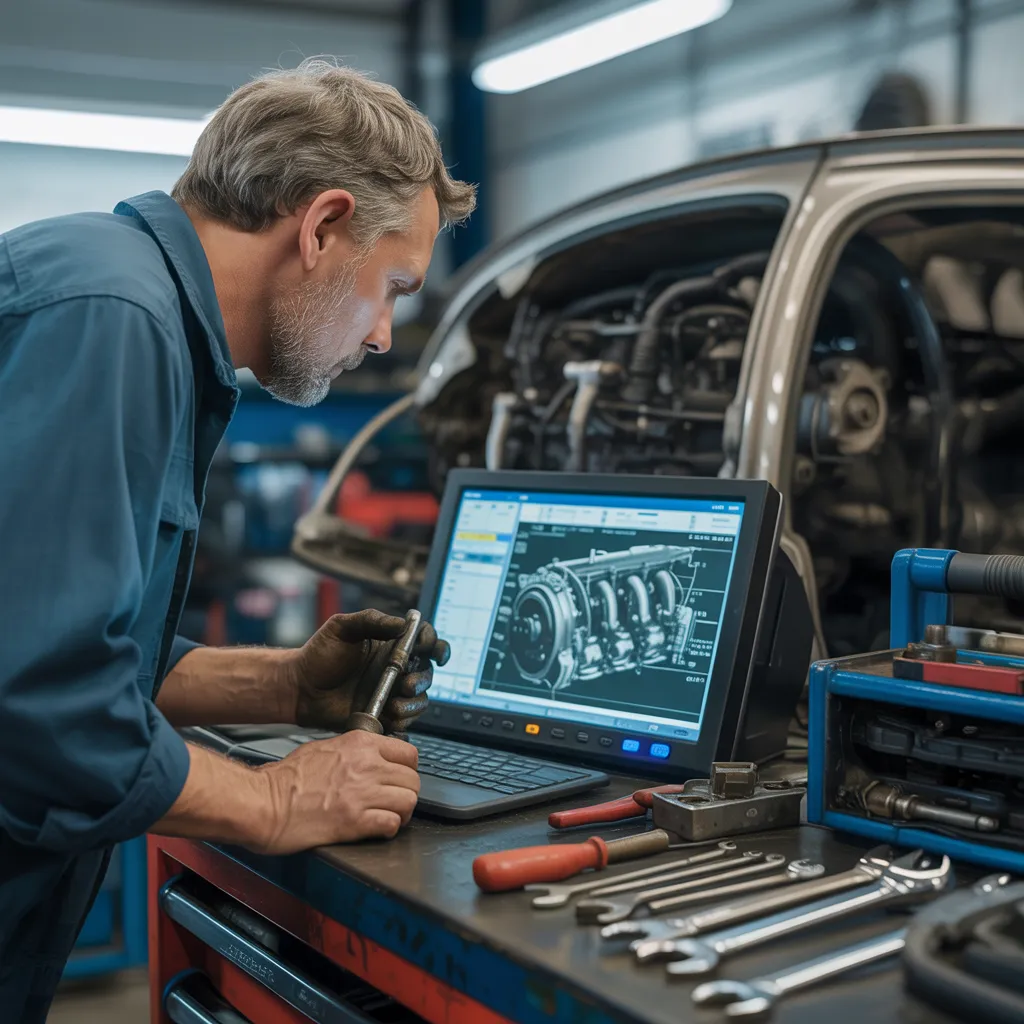
The Value of Consistent Oil Changes
Consistent oil changes are vital for sustaining a vehicle's efficiency and durability, as they guarantee that the engine runs efficiently. Engine oil conditions moving parts, decreasing friction and averting damage. As time passes, oil breaks down, reducing its performance and collecting debris that can compromise engine components. Consistent oil changes confirm that new oil moves through the system, offering superior lubrication and preservation.
Neglecting this task can cause harmful sludge deposits, reduced fuel economy, and ultimately, costly repairs. Vehicle manufacturers frequently advise specific intervals for oil replacement, usually around every 3,000 to 5,000 miles, based on the oil type selected and driving habits. Adhering to these guidelines not only enhances engine performance but can also increase the vehicle's resale value. Furthermore, consistent oil changes can help identify potential issues early, enabling prompt maintenance. All things considered, keeping up with a regular oil change routine is a critical element of automotive upkeep that adds significantly to its long-term health.
The Way Brake Inspections Help You Save Money
Regular brake inspections can greatly reduce long-term expenses for car owners. By identifying potential issues early, such evaluations help avoid costly repairs caused by overlooking maintenance needs. For instance, deteriorated brake pads may cause more severe damage to rotors, making rotor replacement far more costly. Timely inspections guarantee that braking parts are operating properly, thus boosting the overall reliability and safety of your car.
In addition, preserving peak brake efficiency can boost fuel performance. When brakes are not functioning properly, the vehicle can necessitate more energy to operate, resulting in increased fuel expenditure. Furthermore, regular checkups can help avoid accidents, which can result in expensive insurance disputes and increased premiums.
Why Tire Rotations Are Critical for Safety
Tire rotations are critical for ensuring optimal vehicle safety and performance. Routine tire rotations encourage uniform wear, extending their lifespan and maintaining peak traction. Uneven tire wear can lead to reduced grip, particularly during challenging weather conditions, increasing the risk of accidents.
What's more, irregularly worn tires can compromise vehicular handling and stability, creating more difficulty for drivers to control their cars. Proper tire alignment, obtained through routine tire rotations, supports improved fuel efficiency, as properly balanced tires require less energy to move.
The majority of manufacturers suggest tire rotations once every 5,000 to 8,000 miles, but these intervals may differ depending on individual driving behavior and vehicle specifications. Sticking to this routine not only boosts driving safety but also confirms that your vehicle operates at peak efficiency. Neglecting regular tire rotations can lead to costly replacements and put both the driver and other road users at risk.
Key Fluid Checks You Ought to Perform
Keeping your vehicle safe goes beyond tire rotations; it also includes checking multiple key fluids necessary for top performance. Routine monitoring of engine oil, coolant, brake fluid, transmission fluid, and power steering fluid help avoid expensive repairs and ensure dependable performance. Engine oil keeps critical components lubricated, minimizing friction and heat buildup, while coolant controls engine temperature, protecting against overheating. Brake fluid is essential for responsive braking, and low levels can lead to brake failure. Transmission fluid ensures seamless gear transitions and guards against wear. Power steering fluid enables effortless steering, improving driver control.
Disregarding these evaluations can lead to diminished vehicle performance and safety hazards. Vehicle owners should review their owner's manual to establish advised fluid levels and check-up schedules. By committing consult this source to these critical fluid evaluations, motorists can support their automobile's durability and trustworthiness, consequently boosting their total driving enjoyment.
Why Regular Battery Maintenance Prevents Breakdowns
Routine battery upkeep is crucial for avoiding unforeseen failures and maximizing battery longevity. By identifying early indicators of battery deterioration, vehicle owners can act promptly to prevent disruptions. Following basic battery care guidelines can greatly enhance vehicle reliability and longevity.
Tips for Extending Battery Life
Maintaining a vehicle's battery at peak performance is essential for preventing unexpected breakdowns. Routine upkeep is key to prolonging battery life. Ensuring battery terminals remain clean and free of buildup can substantially boost performance. Regularly monitoring the battery's fluid levels to ensure they remain within recommended guidelines is strongly suggested. Moreover, keeping connections tight and secure can minimize vibrations that might compromise components. Extreme temperatures can adversely affect battery life, so parking in shaded or temperature-controlled spaces is beneficial. Lastly, conducting regular battery tests, especially prior to extended journeys, can help detect problems before they escalate. Adopting these practical recommendations can enable drivers to steer clear of unexpected failures and extend the overall life of their vehicle.
Signs of Battery Failure
How can drivers recognize the early signs of battery failure? Monitoring particular signs can assist in preventing unforeseen breakdowns. A vehicle experiencing trouble starting, especially during cold weather, may suggest deteriorating battery power. Additionally, dimming headlights or electrical issues, like malfunctioning power windows, often point to insufficient power supply. Motorists should additionally inspect for corrosion on battery terminals, as this can negatively affect performance. Abnormal swelling or fluid leakage from the battery housing signals a critical issue that demands prompt attention. Regular maintenance, such as cleaning terminals and testing battery voltage, can greatly extend battery life. By being vigilant and addressing these signs promptly, drivers can guarantee their vehicle remains reliable and avoid costly breakdowns.
Indicators That You Need a Professional Inspection
When should a vehicle owner consider scheduling a professional inspection? A variety of signs can indicate the need for expert attention. Unusual noises, such as grinding or squeaking, may suggest mechanical issues that require immediate assessment. Furthermore, dashboard warning lights, such as the check engine light, should always be taken seriously, as they frequently indicate underlying issues. Should a vehicle display reduced performance, including slow acceleration or diminished fuel efficiency, a professional assessment may also be necessary.
Additionally, unexpected vibrations or steering difficulties can point to alignment and suspension concerns that pose safety risks. Owners should also consider a comprehensive inspection after encountering major shifts in driving conditions, such as a harsh winter or heavy rainfall. Regular inspections can ultimately prevent costly repairs and increase the vehicle's longevity, making it essential for maintaining overall automotive health.
Popular Questions We Receive
How Often Should I Check My Air Filter?
Air filters ought to be inspected once every 12,000 to 15,000 miles, or at shorter intervals in dusty environments. Regular inspections guarantee optimal engine performance and fuel economy, promoting the general well-being of the vehicle.
What Are the Signs of a Failing Alternator?
Symptoms of a failing alternator consist of flickering headlights, a drained battery, abnormal noises, alert indicators on the control panel, and trouble starting the vehicle. Such indicators suggest possible electrical problems that demand prompt evaluation and repair.
Should I Skip Maintenance When My Car Is New?
Neglecting maintenance on a new car is a mistake. Routine maintenance ensures optimal performance, avoids future problems, and preserves warranty protection. Ignoring routine service appointments can result in expensive repairs later, affecting the dependability of your vehicle.
In What Ways Does Driving Style Influence Vehicle Longevity?
Driving habits significantly affects vehicle longevity. Aggressive acceleration, hard braking, and frequent short trips can result in excessive wear and tear, while regular maintenance, smooth driving, and maintaining steady speeds support extended vehicle life and performance.
What Should I Do When My Check Engine Light Comes On?
Upon the check engine light activation, one should promptly assess the vehicle's performance, consult the owner's manual, and preferably seek professional diagnostics. Ignoring it could cause more significant issues and high repair costs.